


Muscle cramps are among the most frequent discomforts, both in athletes and in the general population. They often occur suddenly and can be very painful. However, several myths still circulate about their causes.
So, why do cramps actually appear? And what can be done to prevent them?
Cramps are often linked to an electrolyte imbalance
One of the most frequent causes of muscle cramps is a fluid and electrolyte imbalance.
When you sweat, you lose not only water but also several minerals essential for proper muscle function, including:

These electrolytes play a fundamental role in nerve impulse transmission and muscle contraction. When they are present in insufficient quantities or are imbalanced, the risk of developing cramps can increase.
This is why cramps are often more frequent during periods of heat, prolonged training, or in people who do not hydrate sufficiently.
Can magnesium help?
Magnesium is probably the mineral most talked about when it comes to muscle cramps.
In some situations, increasing your magnesium intake can indeed be beneficial, especially if a deficiency is present. The same goes for potassium, which also plays an important role in muscle contraction.
Before considering supplements, however, it is better to ensure that your diet is rich enough in foods containing these minerals, such as green vegetables, nuts, seeds, legumes, fruits, and certain dairy products.
Supplements can be an option in some cases, but they never replace a balanced diet.
Hydration remains essential
Drinking enough water is one of the best ways to prevent cramps, but hydration is not just about the amount of water consumed.
When sweat losses are significant, it may also be relevant to replace lost electrolytes to maintain a good fluid balance.
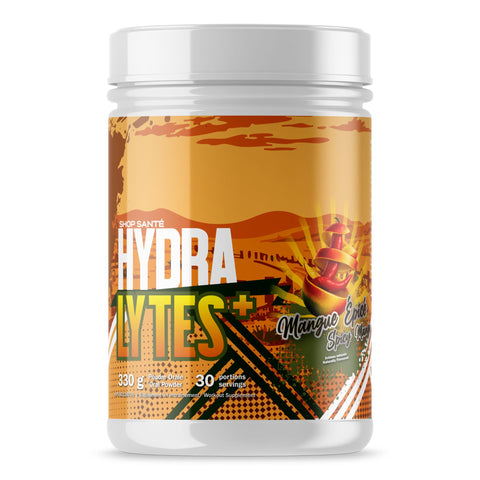
This is particularly true during intense training, long endurance outings, or during periods of high heat.
A weak muscle can also cause cramps
We often think that cramps are only related to hydration, but this is not always the case.
In some cases, they can be caused by a lack of strength in a precise position.
For example, if you perform a hip abduction exercise on a machine and you regularly feel a cramp in your glute, this may indicate that this muscle lacks strength in its shortened position.
In this situation, the problem is not necessarily a lack of magnesium or potassium, but rather an insufficient capacity of the muscle to produce an effort in this angle of work.
Progressive training to strengthen the muscle in different ranges of motion can then help reduce this type of cramp.
What about muscle soreness?
Muscle soreness is often confused with cramps, but they are two completely different phenomena.
Muscle soreness usually appears between 24 and 72 hours after a workout and is mainly related to micro-damage created in muscle fibers during a new effort or a particularly demanding exercise.
Contrary to popular belief, it is not caused by the accumulation of lactic acid. This is eliminated quickly after exercise and is not responsible for the pain felt in the following days.
Muscle soreness is rather a normal response of the body to the adaptation and recovery process.
In summary
Muscle cramps can have several origins, but they are frequently associated with an imbalance between hydration and electrolytes, particularly sodium, potassium, and magnesium.
In some cases, they can also be a sign that a muscle lacks strength in a particular position and that targeted strengthening work would be beneficial.
As for muscle soreness, it is a completely different phenomenon. It is related to muscle adaptations that follow a workout and not to an accumulation of lactic acid.
Adopting good hydration, a diet rich in electrolytes, and progressive training remains the best strategy to limit the appearance of cramps and promote optimal recovery.


