


The days are starting to get shorter, and autumn is quietly settling in. But beyond the change of season, this also means something important for your health: poorer vitamin D absorption.
Why vitamin D drops in the autumn
Less sun, less exposure = potentially less vitamin D in your blood serum. And this is not trivial, because vitamin D acts as a direct transporter of calcium to your bones.
In concrete terms, less vitamin D can mean poorer absorption of calcium, a mineral essential for bone health. This is why it becomes particularly important to supplement as soon as the days get shorter, and even more so here in Quebec, where winter sunlight is limited.
How to determine the right dosage?
The best option: a blood test
Nothing beats a blood test to know your precise vitamin D level and adjust your dosage accordingly. It is the most reliable approach.
No access to a blood test?
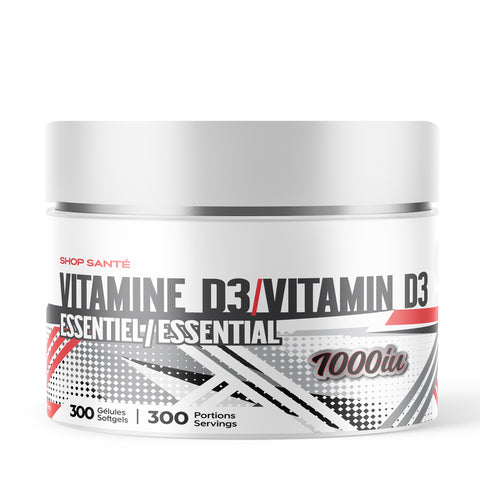
If you don't have access to a blood test, you can still take a basic daily dosage. Health Canada recommends between 1000 and 2000 units of vitamin D per day. This dosage serves as a good "default" starting point.
An important tip if you take a high dosage
If you opt for a higher dosage, because your blood level is particularly low, for example, make sure your supplement also contains vitamin K2. This combination allows for better calcium management in the body.
In summary
- Autumn = less sun = risk of vitamin D deficiency
- Vitamin D is essential for calcium absorption and bone health
- Ideally, get a blood test to determine your precise dosage
- Without a blood test, aim for between 1000 and 2000 IU per day
- For a high dosage, choose a supplement combined with vitamin K2

Félix Daigle, Shop Santé Ambassador

