


With summer approaching, several tips are circulating regarding supplements, hydration, and general health. However, some popular beliefs are often oversimplified. Here are two common myths that need clarification.
Myth #1: "You don't need vitamin D in the summer"
Yes... and no.
It is true that sun exposure allows the body to naturally synthesize vitamin D.
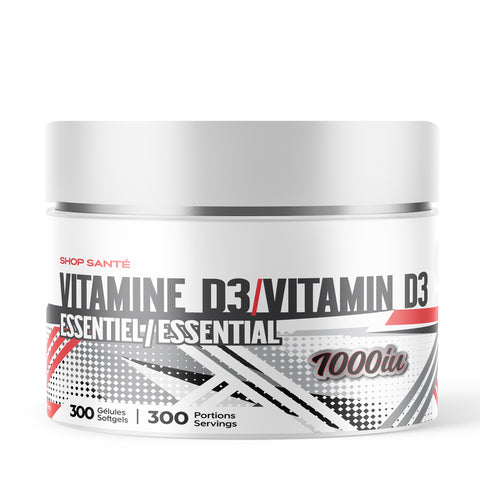
However, this greatly depends on your lifestyle and the time you actually spend outdoors.
A person who works:
- in an office;
- under artificial lights;
- or spends most of their days indoors;
may still have an insufficient intake of vitamin D, even during the summer.
Conversely, a person who works outdoors for several hours a day, such as in construction or a job with high sun exposure, will generally have higher production.
Should you continue supplementing?
In many cases, a small daily intake may remain relevant during the summer, especially for people less exposed to the sun.
A moderate dosage, often between 1000 and 3000 units per day, can sometimes be used depending on individual needs and the recommendations of a healthcare professional.
The idea is not that "everyone should stop" or "everyone should continue," but rather to understand that needs vary greatly depending on lifestyle.
Myth #2: "Drinking water is enough to stay well-hydrated"
Water is essential, but on very hot days or during workouts with significant sweating, hydration doesn't just depend on water.
When you sweat, you also lose electrolytes, particularly sodium. Many people notice this after a workout or a long day in the sun when a white line appears on a cap or dark clothing: this is the salt lost through sweat.
Why electrolytes can be useful
Electrolytes play an important role in:
- hydration;
- energy levels;
- muscle contraction;
- and recovery.
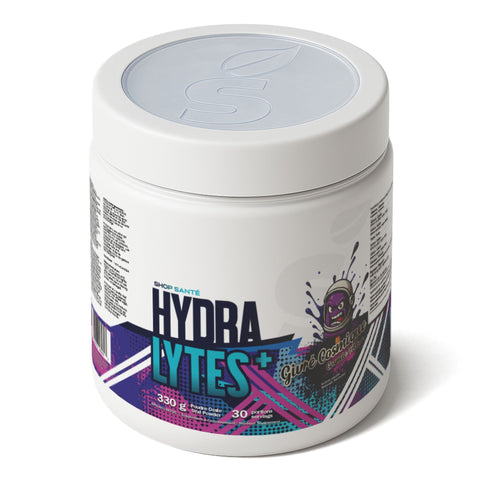
During hot days, long periods of physical activity, or intense workouts, integrating electrolytes can therefore help maintain better energy levels and overall hydration.
The most important thing: adapting to your reality
As often in nutrition and training, there is no universal answer. Vitamin D and hydration needs can vary according to:
- activity level;
- time spent in the sun;
- sweating;
- work environment;
- and lifestyle habits.
The main goal is to listen to your body and adapt your habits to your daily reality rather than following absolute rules.
You won't progress by going the fastest, but by being able to continue without stopping.

Félix Daigle, Shop Santé Ambassador

